
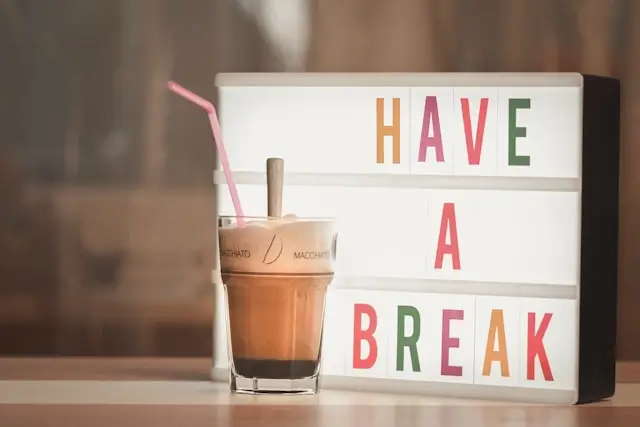
We live in a culture that praises long hours, late nights, and powering through fatigue. Yet, productivity often dips the longer we push ourselves without pause.
What if the key to sharper focus and greater resilience isn’t working harder – but stepping away for just five minutes?
Welcome to the science of micro-breaks, the small but mighty pauses that can transform your workday.
What Are Micro-Breaks?
Micro-breaks are short pauses – typically 1 to 10 minutes – that give your body and brain a chance to reset. Unlike a full lunch break or a distraction spiral on social media, micro-breaks are intentional, purposeful, and restorative.
Examples include:
- Standing and stretching at your desk
- Walking to refill your water
- Closing your eyes for deep breathing
- Briefly chatting with a coworker
- Looking out the window instead of at your screen
They’re small actions that require little time but have outsized benefits.
The Science Behind Micro-Breaks
Research shows that our attention span has natural limits. Working continuously without rest leads to mental fatigue, reduced accuracy, and slower reaction times. Micro-breaks counteract these effects by giving the brain a chance to reset.
Cognitive Reset
Pausing for even a few minutes helps your prefrontal cortex—the part of the brain responsible for focus and decision-making—recharge.
Physical Relief
Sitting for long hours can strain muscles, stiffen joints, and stress your eyes. Stretching or standing relieves tension and improves circulation.
Stress Management
Micro-breaks lower cortisol levels (the stress hormone) and create moments of calm in high-pressure environments.
Put simply: your brain and body function better when you regularly step away.
Types of Effective Micro-Breaks
Not all pauses are created equal. Here are some options that deliver the biggest benefits:
- Movement-Based: Stretch your shoulders, walk a hallway lap, or do a few desk yoga poses.
- Mindful Moments: Try a 3-minute breathing exercise, progressive muscle relaxation, or a guided meditation app.
- Social Breaks: Chat with a colleague or send a quick message to a friend-connection is energizing.
- Creative Boosters: Doodle, sketch, or jot down a few ideas unrelated to work.
- Digital Hygiene: Follow the 20-20-20 rule – every 20 minutes, look 20 feet away for 20 seconds.
How to Build Micro-Breaks Into Your Day
Knowing about micro-breaks is one thing—remembering to take them is another. Here’s how to make them part of your workflow:
- Pomodoro Technique: Work for 25 minutes, then pause for 5. After four rounds, take a longer break.
- Calendar Blocking: Add “mini pause” reminders into your calendar, just like meetings.
- Environmental Cues: Use sticky notes, alarms, or apps to prompt you.
- Habit Stacking: Pair breaks with natural transitions – after a meeting, before a coffee refill, or when sending an email.
Consistency turns breaks into a habit instead of an afterthought.
Overcoming Common Objections
Many professionals resist breaks because of workplace pressures or personal beliefs. Here’s how to reframe them:
- “I don’t have time.” You actually save time. Returning refreshed means fewer mistakes and faster work.
- “It feels lazy.” Breaks are performance tools. Athletes rest between sprints; knowledge workers need the same.
- “My boss won’t approve.” Organizations that embrace wellness see reduced burnout, fewer sick days, and higher engagement.
Breaks aren’t indulgence – they’re smart strategy.
Real-World Examples
Forward-thinking companies are already embracing micro-breaks:
- Tech firms encourage “stand-up breaks” every hour.
- Hospitals rotate nurses with quick decompression pauses to prevent fatigue.
- Remote teams use wellness apps that prompt stretching or mindfulness.
The results? Higher productivity, happier employees, and lower turnover.
Start Today
You don’t need a corporate policy to benefit. Here’s a simple 3-step challenge you can try immediately:
- Take a 5-minute break right now – stand, breathe, or stretch.
- Experiment with one mindful pause, one movement, and one digital detox each day this week.
- Track your focus and energy before and after breaks – you’ll notice the difference.
Conclusion
Work-life balance isn’t only about vacations or long weekends – it’s also hidden in the five minutes you take between tasks. Micro-breaks are small actions with macro benefits.
The next time you’re tempted to power through fatigue, remember: stepping away is not a sign of weakness, but of wisdom. Productivity doesn’t mean working nonstop – it means working smart.
So take five. Your brain will thank you.
Leave a Reply